Cure workshop of Southwark
The Cure workshop, based in Southwark, London, was one of the most important producers of elite funerary monuments in England from the late sixteenth into the early seventeenth century. Operated by members of the Cure family, the workshop supplied high-status tombs for aristocratic, courtly, and ecclesiastical patrons during the late Elizabethan and early Jacobean periods.
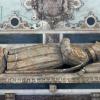
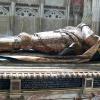
The Cures worked within the professional monument-making culture of London, producing architecturally framed tombs with recumbent or kneeling effigies, elaborate heraldry, and carefully controlled figural carving. Their monuments balance late Renaissance ornament with a disciplined, courtly restraint, reflecting both continental influence and established English traditions.
Although a small number of commissions are documented, many monuments associated with the Cure workshop are identified through stylistic comparison and patronage networks rather than surviving contracts. In particular, the workshop is closely linked with the Dudley family and their circle, who appear to have favoured the Cures for multiple commissions across different sites.
As with many workshops of this period, individual authorship within the Cure family is rarely distinguishable. References in architectural and antiquarian literature therefore commonly attribute monuments to the “Cure workshop” or “Cure family”, recognising a collective identity rather than a single artistic hand.
The Cure workshop occupies a pivotal position in the development of English funerary sculpture, bridging late Elizabethan monument types and the more classically ordered sculpture that emerges in the early Stuart period.