
Legrew, James
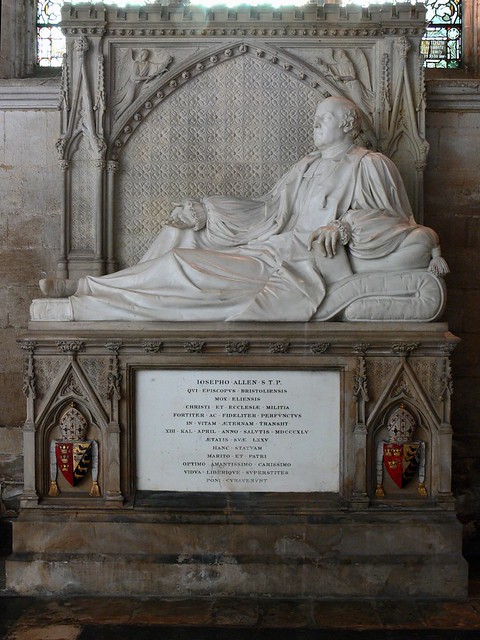
James Legrew was an English sculptor active in the mid nineteenth century, best known for funerary monuments and church sculpture. According to Gunnis, his father placed him as a pupil with Sir Francis Chantrey ⓘ, providing him with an early grounding in professional sculptural practice.
In 1822 Legrew entered the Royal Academy Schools, where he achieved notable academic success, winning a Silver Medal in 1824 and the Gold Medal in 1829. These awards confirm a high level of formal training and technical competence, even though his later career did not develop in the direction of large-scale public sculpture.
Legrew’s surviving works are primarily church monuments and memorial sculpture, characterised by restrained modelling, sober realism, and an avoidance of theatrical allegory. His figures are typically composed with dignity and clarity, suited to ecclesiastical interiors and commemorative settings. Stylistically, his work reflects a late neoclassical discipline filtered through Victorian taste.
Gunnis noted that “his work never met with the encouragement it deserved,” a judgement borne out by the quality and restraint of surviving monuments, which demonstrate assured academic training applied to a largely ecclesiastical and commemorative practice.

