Chantrey, Sir Francis
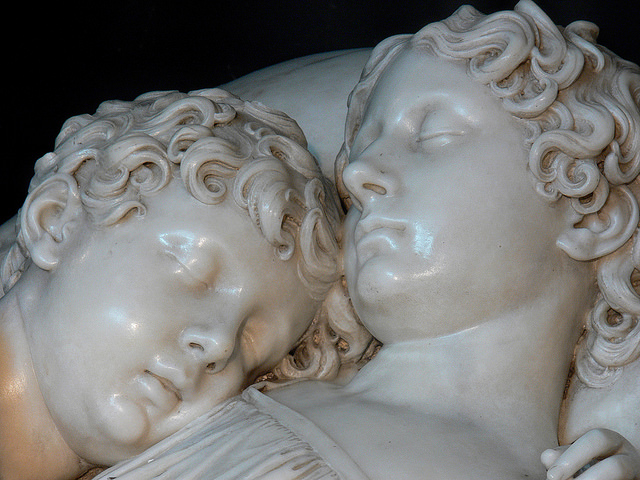
Sir Francis Chantrey (1781–1841) was one of the leading British sculptors of the late Georgian and early Victorian periods, renowned for his portrait sculpture, funerary monuments, and public memorials. Trained initially as a woodcarver before studying sculpture in London, Chantrey developed a distinctive style that combined classical restraint with a direct and naturalistic observation of character.
Unlike many contemporaries trained extensively in Rome, Chantrey’s work reflects a pragmatic British classicism, favouring clarity, realism, and emotional sobriety over idealised antique forms. His portrait busts and monuments are marked by sensitive modelling and an avoidance of excessive allegory, qualities that made his work particularly appealing for commemorative sculpture.
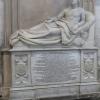
Chantrey produced numerous church monuments throughout Britain, often integrating figures and reliefs into architectural settings with restraint and dignity. His influence extended beyond his own practice through the Chantrey Bequest, established by his will, which played a central role in shaping British sculpture and painting in the nineteenth century.