Fra Angelico
Fra Angelico (born Guido di Pietro) stands at the threshold of the Early Renaissance, uniting late-medieval devotional intensity with the new Florentine language of perspective, proportion, and natural light. Entering the Dominican order at Fiesole, he brought monastic discipline and theological clarity to painting, conceiving images as aids to prayer rather than displays of virtuosity.
His art is marked by lucid composition, luminous colour, and an economy of means that heightens contemplation. Figures are calm and restrained; gestures are spare; space is legible and quietly ordered. While fully conversant with Renaissance innovations, linear perspective, convincing volume, and coherent architectural settings, Fra Angelico subordinates technical display to spiritual purpose.
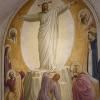
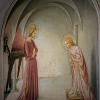
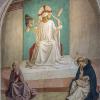
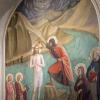
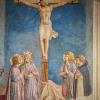
The fresco cycle painted for the Dominican convent of San Marco in Florence epitomises his approach. Designed for the cells and communal spaces of friars, these images are deliberately simple, inviting meditation rather than narrative complexity. Elsewhere, in altarpieces and large public commissions, he achieves greater splendour while retaining the same clarity and devotional focus.
By reconciling Renaissance naturalism with a profoundly religious vision, Fra Angelico shaped a model of sacred art that was both modern and timeless, earning admiration from contemporaries and later humanists alike.