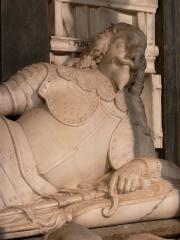
Richard Edes - Worcester Cathedral
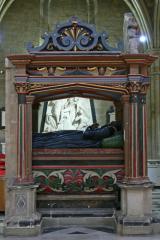
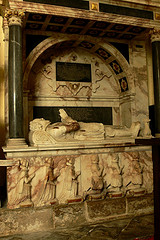
This freestanding monument to Richard Eedes (1604), dean of Worcester cathedral, consists of a large canopied sarcophagus with a recumbent effigy.
This freestanding monument to Richard Eedes (1604), dean of Worcester cathedral, consists of a large canopied sarcophagus with a recumbent effigy.
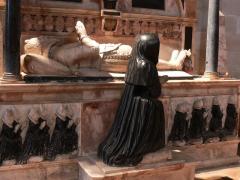
This tomb of Robert Wylde (d1607) and wife Margaret, is in the south aisle of Worcester Cathedral. In consists of two effigies laying on mats with their heads on cushions. Both are wearing black and dressed in a late Elizabethan style with ruff collars.
The Royley workshop of Burton-upon-Trent ⓘ, associated with Richard Royley and Gabriel Royley, was active from the late sixteenth into the early seventeenth century and formed part of the long-established English tradition of alabaster monument production.
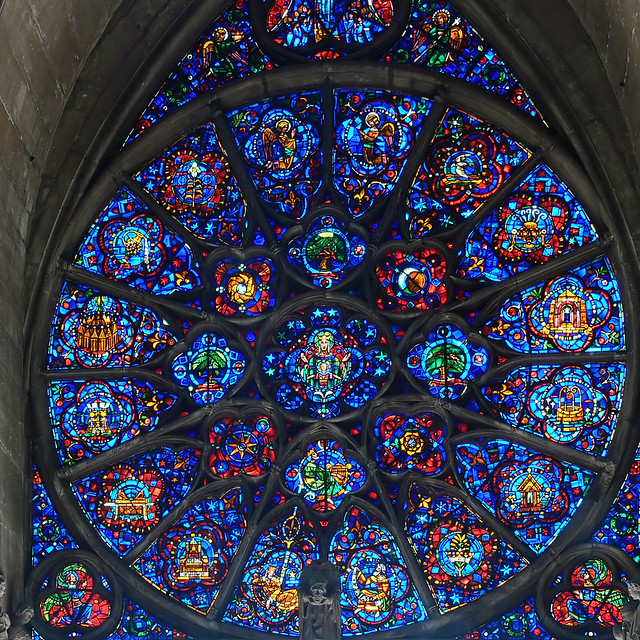
Based in Reims and establish in around 1640 by Pierre Simon this family of glass makers is one of the 10 oldest companies in France. The company is currently run by Benoît Marq, the son of Brigitte Simon (daughter of Jacques Simon) and Charles Marq, making him the twelfth generation to run this family firm.
[no-context]Smith of Warwick ⓘ refers to the family workshop established by Francis Smith (1672–1738) and continued by his son William Smith (1705–1764), active across Warwickshire, the Midlands, and beyond from the late seventeenth through the mid eighteenth century. The workshop was one of the most prolific and influential provincial centres for architectural and monumental sculpture in early Georgian England.
Nicholas Stone (1586–1647) was the leading English sculptor and master mason of the early seventeenth century, and the principal agent in the introduction of continental classical sculpture into England during the late Jacobean and Caroline periods.

Created in 1619 this late Death and Assumption of the Virgin stained glass window is in Bourges Cathedral France.
Tomb of Sir Thomas Cave (d1613) and wife, with dog at feet and children on side of chest.
Black and white Carrara marble monument to Thomas Lucy (d1640) and his wife Alice.
Effigy of Thomas Lucy (d1605) in armour, his second wife Constance kneels by the side, and the fourteen children (6 sons and 8 daughters) from his two marriages are shown on the side of the monument.