Gothic Sculpture in France
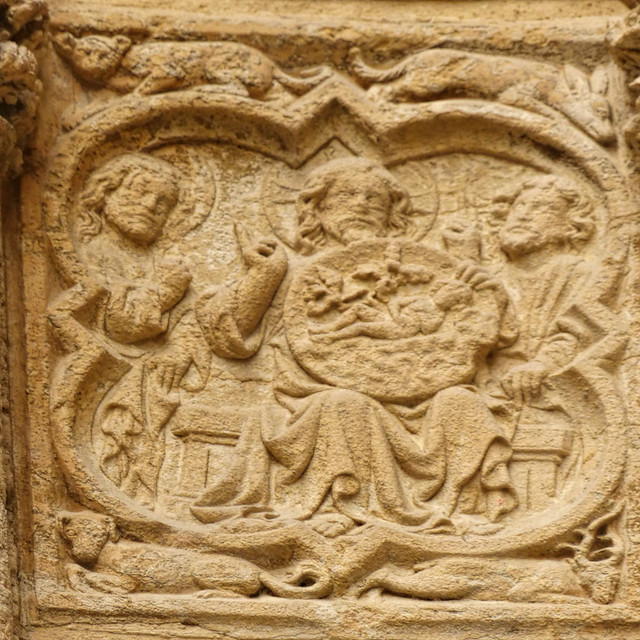
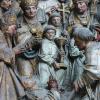
Gothic sculpture in France occupies a foundational position in the history of medieval art. From the mid-twelfth century onward, French sculptors developed a new figural language closely bound to architecture, theology, and royal ideology. Unlike the more restrained and linear tradition of Britain, French Gothic sculpture is characterised by an early and sustained drive toward monumental naturalism, expressive presence, and narrative clarity, with sculpture conceived as an integral and dominant component of cathedral façades, portals, and interior articulation.
France was not only the principal innovator but also the primary exporter of Gothic sculptural models, which profoundly shaped artistic developments across Europe.
Early Gothic (c. 1140–1200)
The origins of Gothic sculpture in France are inseparable from the emergence of Gothic architecture itself. Sculpture was deployed as a didactic and symbolic extension of the new architectural vision.
Characteristics
-
Elongated, columnar figures integrated into portal jambs
-
Hieratic poses and frontal compositions
-
Clear theological programmes centred on Christ in Majesty, the Virgin, and the Old Testament kings
Key sites
-
Saint-Denis Abbey – formative sculptural experiments
-
Chartres Cathedral – Royal Portal, defining the Gothic sculptural canon
-
Sens Cathedral
High Gothic (c. 1200–1270)
This period marks the full flowering of Gothic sculpture in France, with increasing naturalism and a growing emphasis on corporeal presence and human emotion.
Characteristics
-
Greater anatomical awareness and contrapposto
-
Drapery that articulates the body beneath
-
Expanding narrative cycles across façades and transepts
Key sites
-
Reims Cathedral – courtly elegance and expressive figuration
-
Amiens Cathedral – monumental scale and sculptural unity
-
Paris Notre-Dame – integration of sculpture and urban monumentality
Rayonnant and Court Style (c. 1270–1350)
As architectural forms became lighter and more skeletal, sculpture evolved toward increased refinement and grace. Royal and aristocratic patronage played a decisive role.
Characteristics
-
Slender, elegant figures with refined gestures
-
Increased emotional nuance in Marian and Passion imagery
-
Sculptural emphasis shifts from façades to interiors and tombs
Key developments
-
Royal tomb sculpture at Basilica of Saint-Denis
-
Courtly style disseminated through Parisian workshops
-
Growing importance of sculpted choir screens and retables
Late Gothic / Flamboyant (c. 1350–1530)
In the later Middle Ages, French Gothic sculpture becomes increasingly decorative and expressive, closely aligned with the complex surfaces of Flamboyant architecture.
Characteristics
-
Animated poses and heightened emotional expression
-
Dense sculptural programmes on screens, portals, and funerary monuments
-
Increasing overlap with early Renaissance forms in the early 16th century
Key sites
-
Rouen Cathedral
-
Dijon Chartreuse de Champmol – monumental ducal tomb sculpture
-
Avignon Papal Palace
Overall Character of French Gothic Sculpture
French Gothic sculpture is distinguished by:
-
Early leadership in stylistic innovation
-
Strong emphasis on figural presence and naturalism
-
Monumental façade programmes of exceptional coherence
-
Close links to royal, episcopal, and courtly patronage
-
A workshop system centred on major urban and ecclesiastical hubs
By the early sixteenth century, Gothic sculpture in France gradually yields to Renaissance idioms, though many Gothic forms persist well into the reign of Francis I. Together with architecture, French Gothic sculpture constitutes one of the most influential artistic achievements of medieval Europe.