Pentatomidae
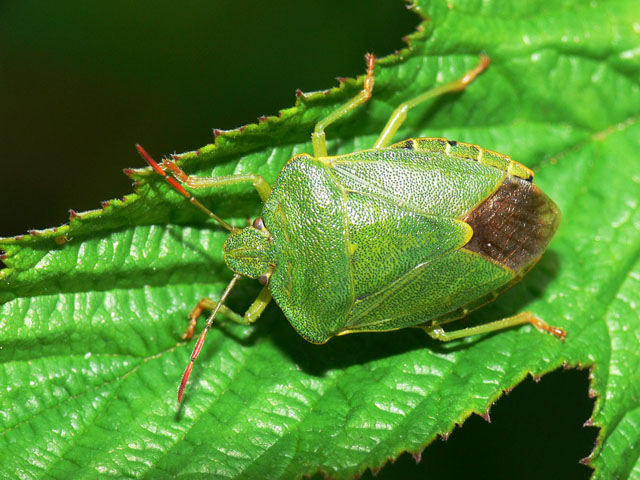
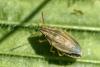
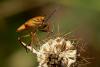
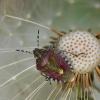
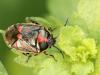
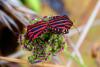
When most people talk about shieldbugs, it is this family they are referring to, the Pentatomidae. These are the typical shieldbugs, easily recognised by their broad, shield-shaped bodies and distinctive scent glands, which can produce a strong odour when the bugs are handled or disturbed.
The family Pentatomidae is large and widespread, with thousands of species found around the world. In some countries, certain species can be serious agricultural pests, feeding on fruits, grains, and vegetables. However, in the UK, they cause little or no damage, and several species are even beneficial predators.
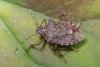
Shieldbugs in this family show a range of colours and patterns, from bright green and metallic hues to mottled browns and greys that help them blend into their surroundings. Both adults and nymphs feed by piercing plant tissues with their beak-like mouthparts, although some species have evolved to feed on other insects instead.
A good example of a predatory shieldbug is Picromerus bidens, the Spined Shieldbug, which feeds on leaf beetle larvae, caterpillars, and other soft-bodied insects. This makes it a valuable natural control of some crop pests.
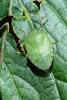
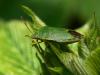
In the UK, common species include the Green Shieldbug (Palomena prasina) and the Forest Bug (Pentatoma rufipes), both familiar sights on hedgerows and garden shrubs during the summer months. Adults often seek shelter under bark or leaf litter to overwinter.
Although they may occasionally release a pungent smell, shieldbugs are harmless and add colour and interest to gardens, woodlands, and countryside habitats.