Robbia, Andrea della
Andrea della Robbia was the leading sculptor of the second generation of the della Robbia workshop, active in Florence and central Italy during the late fifteenth and early sixteenth centuries. Nephew and successor of Luca della Robbia ⓘ, he refined and expanded the use of glazed terracotta relief sculpture that became the hallmark of the family workshop.
Under Andrea’s direction, the workshop achieved a high level of technical consistency and devotional clarity. His works combine serene Renaissance composition with the luminous surface made possible by tin-glazed earthenware.
Style and Technique
Andrea perfected the sculptural language established by Luca, characterised by:
-
Clear, symmetrical compositions
-
Calm, idealised figures
-
Brilliant white glaze for flesh
-
Deep cobalt blue grounds
-
Accents of green, yellow, and manganese
The glazed surface provided durability and brilliance, making his reliefs especially suitable for church façades, hospital buildings, tabernacles, and altarpieces.
His style remains measured and devotional, with an emphasis on legibility and theological clarity rather than dramatic movement.
Major Commissions
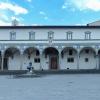
Andrea’s workshop produced numerous Madonnas, lunette reliefs, and altarpieces across Tuscany and Umbria. Among his most recognisable works are the roundels of swaddled infants for the façade of the Ospedale degli Innocenti. These glazed terracotta medallions became enduring symbols of Florentine civic charity.
He also executed large altarpieces and architectural reliefs for churches and confraternities, extending the della Robbia presence across central Italy.
Historical Position
Andrea represents the consolidation of the della Robbia idiom during the High Renaissance. While contemporaries explored increasing naturalism and expressive intensity, he maintained clarity, harmony, and devotional accessibility.